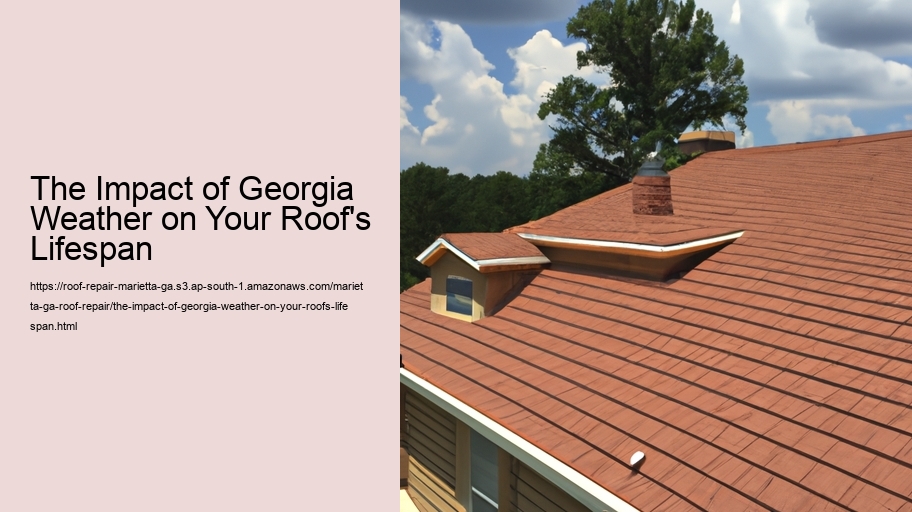
The effects of intense sunlight and UV radiation on roofing materials in Georgia
Title: The Impact of Georgia Weather on Your Roof's Lifanness
How to Select a Certified and Experienced Roofer for Repairs in Mariettas .
Georgia, known for its peaches and Southern hospitality, also presents a challenging climate for the roofs that shelter its homes. With long summers characterized by intense sunlight and high levels of UV radiation, homeowners in the Peach State often find themselves confronting the harsh realities of weather-related wear and tear on their roofing materials.
The sun's relentless rays beat down upon rooftops with unforgiving intensity throughout much of the year in Georgia. This constant exposure to sunlight can have a significant impact on a roof's lifespan. Ultraviolet (UV) radiation is particularly adept at breaking down the chemical bonds within roofing materials. Over time, this results in fading colors, weakening of material strength, and an overall deterioration that can reduce a roof's functional life.
Asphalt shingles, commonly used across Georgia due to their cost-effectiveness and easy installation, are especially vulnerable to UV damage. The granules that coat these shingles are designed to protect against UV light; however, as they gradually wear away over time, the asphalt underneath becomes exposed. This leads to accelerated aging – cracking, blistering, and eventually curling of shingles become evident signs of degradation.
Another victim of intense solar exposure is rubber roofing or Ethylene Propylene Diene Monomer (EPDM). Though durable and resistant to many elements, EPDM can suffer from shrinkage when subjected to high temperatures and UV rays for extended periods. Such contraction can pull at seams or flashings leading to leaks if not properly maintained.
Metal roofs fare better under the Georgian sun but aren't immune to its effects either. While they reflect more sunlight than they absorb – thus staying cooler – prolonged UV exposure can degrade coatings applied for corrosion resistance and color retention over time.
In addition to direct damage caused by UV radiation itself is the thermal cycling it promotes - daily temperature swings from hot days to cooler nights cause expansion and contraction in roofing materials. This thermal stress contributes further to material fatigue as fasteners loosen, sealants crack, and components like tiles or panels may shift or break altogether.
Preventative measures such as regular inspections can help mitigate some effects of intense sunlight and UV radiation on Georgia roofs. Homeowners may opt for more reflective or lighter colored materials which absorb less heat or select products specifically designed with additives that counteract UV degradation.
Ultimately though maintaining a healthy roof in Georgia involves recognizing that while one cannot control the weather itself one can certainly prepare for its impacts - ensuring longevity through informed choices about maintenance strategies tailored specifically for the rigors presented by Georgian climes.
How Georgia's frequent thunderstorms and heavy rain can lead to roof damage
Georgia, with its humid subtropical climate, is no stranger to frequent thunderstorms and heavy rain, especially during the spring and summer months. This weather pattern can be quite enchanting, as the sound of thunder rolls over the peach orchards and rain nourishes the red clay soil. However, for homeowners in Georgia, this also means a constant battle to maintain the integrity of their roofs.
The impact of Georgia's tempestuous weather on your roof's lifespan is significant and multifaceted. To begin with, heavy rainfall can lead to water accumulation on rooftops, particularly if gutters are clogged or inadequate. This standing water can seep under shingles or tiles, causing leaks that might not only damage the roof structure itself but also interior ceilings and walls.
Moreover, intense downpours can quickly expose any vulnerabilities in a roofing system. Small cracks or missing shingles can become gateways for water intrusion. Over time, these breaches can result in mold growth in attics or between walls, compromising both the house's structure and indoor air quality.
Thunderstorms bring more than just rain; they often come hand-in-hand with strong winds that can be particularly brutal on roofs. These winds have the potential to tear off shingles or cause trees and branches to fall onto homes – puncturing roofs or even collapsing sections entirely.
Furthermore, lightning strikes pose a real threat: a single bolt could ignite a fire or severely damage roofing materials instantly. While less common than other forms of damage associated with storms, it remains a risk factor for any homeowner during Georgia's volatile storm seasons.
Hail is another aspect of these storms that cannot be overlooked when considering roof longevity. Although not as frequent as rain and wind events, hailstones can pummel a roof with enough force to dislodge granules from asphalt shingles – weakening their protective capacity – create dents in metal panels, or crack tiles.
Preventative maintenance becomes critical in such an environment. Regular inspections are necessary to identify potential issues before they escalate into major problems due to harsh weather conditions. Homeowners should ensure gutters are clean and unobstructed; shingles are secure and free from damage; flashing around chimneys, vents, and valleys is intact; and that overall structural integrity is maintained.
Despite one's best efforts at maintenance though calamity may still strike given enough exposure to nature’s fury thus making resilience key when selecting roofing materials for Georgian homes - opting for wind-resistant shingles metal roofing systems advanced waterproofing options all contribute towards extending a roof’s life expectancy amidst unpredictable weather patterns
In conclusion while there’s much beauty found throughout Georgia including its dynamic skies it’s essential for homeowners within state understand how local weather phenomena directly affect health well-being their most valuable investment their home By staying vigilant proactive measures it possible mitigate negative effects thunderstorms heavy rains ensuring residential sanctuaries remain safe secure through years regardless what clouds may gather horizon
The impact of hailstorms on roofs, common in certain parts of Georgia
The impact of hailstorms on roofs is a significant consideration when discussing the overall effects of Georgia weather on your roof's lifespan. The Peach State, with its warm and humid climate, is no stranger to severe weather conditions, especially during the spring and summer months. Among these are hailstorms, which can be both sudden and devastating.
Hail, essentially frozen balls of ice that vary in size from small pellets to golf balls or even larger, can wreak havoc on roofs as they plummet from the sky with considerable force. When these icy projectiles strike a roof, they can cause immediate and long-term damage that may not be apparent right away.
The most common type of damage inflicted by hail includes bruising or cracking of asphalt shingles. This occurs when the granules that protect the shingle from UV rays are knocked loose, exposing the asphalt to direct sunlight which can accelerate deterioration. Over time, this leads to leaks and compromises the integrity of the roof structure. In more severe cases, hailstones can puncture or create full breaks in shingles, leading to immediate leaks and water damage inside homes.
Metal roofs are not immune either; while more resilient than their asphalt counterparts, they can still suffer dents and dimples that may not compromise their functionality but could reduce their aesthetic appeal and potentially lead to rusting problems if protective coatings are damaged.
Roofing materials like slate or tile might crack under the stress of a hailstorm. Such damage often necessitates replacement rather than repair since compromised tiles can't effectively protect against subsequent rainwater intrusion.
For homeowners in Georgia facing frequent hailstorms, it becomes essential to choose roofing materials wisely—opting for impact-resistant products designed specifically to withstand such events—and ensure proper maintenance routines are followed. Regular inspections by professionals should ideally follow any significant storm event in order to assess potential hidden damages before they escalate into costlier repairs.
In conclusion, understanding the threat posed by hailstorms is crucial for Georgian homeowners wanting to maximize their roof's lifespan. Proactive measures including material selection and rigorous maintenance schedules will help mitigate some of these impacts—but living in an area known for such meteorological phenomena necessitates an acceptance that occasional repairs or replacements may simply be part of life under Georgia's vibrant skies.
Understanding the role of humidity and heat in accelerating wear and tear on your roof
Georgia's sultry climate is renowned for its humid summers and relatively mild winters. However, this combination of heat and humidity can have a profound effect on the longevity of your roof, which serves as the primary shield against the elements. Understanding how these factors accelerate wear and tear is crucial for homeowners looking to maintain their property and extend the life of their roofing systems.
Humidity plays a significant role in roofing degradation. Georgia experiences high levels of moisture in the air, especially during summer months when it’s not uncommon for humidity levels to soar above 70 percent. This moisture-laden air can lead to a variety of problems for roofs. For one, it encourages the growth of mold, moss, and algae, which can weaken roofing materials over time. These organisms thrive in damp conditions and can cause shingles to lift or wood to rot, potentially leading to leaks that compromise the structural integrity of the roof.
Furthermore, humidity contributes to rusting and corrosion in metal components used in roofs such as flashings or nails. Once these parts begin to deteriorate, they are less effective at keeping out water during rainstorms which Georgia frequently experiences throughout the year—especially during hurricane season when heavy rains are more common.
Heat also has a detrimental impact on roofs across Georgia. High temperatures can cause roofing materials such as asphalt shingles—the most commonly used type in residential buildings—to expand and contract significantly. Over time, this continuous cycle weakens the bonds between shingles and other roofing components making them more susceptible to damage from wind uplift or simply breaking apart under stress.
Additionally, UV radiation from prolonged sun exposure degrades many materials by causing them to become brittle or lose coloration; an effect compounded by higher temperatures that hasten these changes further still.
The combined stresses from heat and humidity mean that Georgian homes require vigilant maintenance practices if they are expected to withstand local weather patterns without suffering premature failure rates associated with their rooftops’ lifespans being curtailed due both natural decay processes exacerbated by climatic influences unique within this region's environment.
To mitigate these effects homeowners should regularly inspect their roofs for signs of damage or wear—such as cracked caulk around chimneys—and address any issues promptly before small problems escalate into costly repairs down line later on; ensuring proper attic ventilation will help reduce temperature extremes directly underneath rooftop surfaces thereby decreasing likelihood expansion/contraction cycles damaging structure over course seasons changing each year too much extent than necessary given circumstance at hand today versus what might happen tomorrow unknown future ahead us all living here now together peacefully coexisting our shared spaces across beautiful state Georgia USA!
Winter weather considerations: Ice, snow, and freeze-thaw cycles affecting roof integrity
The lifespan of a roof in Georgia is significantly influenced by the state's diverse weather conditions. Winters, though generally milder compared to some northern regions, can still present challenges that impact the integrity and longevity of roofing materials through ice, snow, and freeze-thaw cycles.
Ice has a particularly insidious effect on roofs. During colder spells, ice dams can form at the eaves of a roof when accumulated snow melts and refreezes. These dams prevent proper drainage, allowing water to pool and potentially seep under shingles or tiles, compromising the roof deck and leading to leaks within the home. The weight of ice accumulation also poses a structural threat; if not properly designed to withstand such loads, roofs may suffer damage.
Snowfall in Georgia may not be as heavy or frequent as in more northerly climates; however, even small amounts can cause problems for a roof. Wet snow is especially burdensome due to its density and weight. A thick blanket of snow puts stress on rafters and trusses and may lead to sagging or collapse if the roof is not adequately reinforced or if previous damage has gone unaddressed.
Perhaps most detrimental are freeze-thaw cycles where fluctuating temperatures cause repeated expansion and contraction of roofing materials. As water from melted snow or ice seeps into cracks during warmer periods then freezes when temperatures drop again, it expands by about 9%. This process can widen gaps in roofing materials over time, causing shingles to crack or become loose - an invitation for moisture intrusion that could result in mold growth and rotting wood.
To mitigate these winter weather effects on Georgia roofs, homeowners should ensure proper insulation and ventilation in their attics; this reduces the chances of ice dam formation by keeping the roof surface at a consistent temperature. Regular inspection and maintenance are critical too – sealing any gaps or replacing damaged shingles before winter sets in can prevent water entry points from becoming problematic once ice or snow adds additional strain.
In conclusion, while Georgian winters might be mild compared to other regions' standards, they nonetheless pose significant threats to roofing systems through processes like icing, snow load pressure, and freeze-thaw cycles. Homeowners must remain vigilant with regular maintenance checks especially before winter months roll in - ensuring their rooftops are prepared to withstand what Mother Nature throws their way so as to maximize the lifespan of one's cherished home shelter.
Maintenance tips to enhance your roof's resilience against Georgia's weather extremes
Georgia's climate presents a unique challenge to homeowners when it comes to maintaining the integrity and longevity of their roofs. From scorching summers to occasional icy winters, and not forgetting the potential for severe thunderstorms, tornadoes, and even hurricanes — your roof is always at the frontline, bearing the brunt of Mother Nature's mood swings. Understanding how Georgia's weather can impact your roof's lifespan is crucial in taking proactive steps to enhance its resilience. Here are some maintenance tips to help you protect your investment.
1. Regular Inspections:
Schedule bi-annual inspections of your roof to identify any damage or wear early on. Look for missing or damaged shingles, signs of leaks, or rust on metal components. After extreme weather events such as hailstorms or heavy winds, arrange for a professional inspection to catch damage that may not be visible from the ground.
2. Clean Gutters and Downspouts:
Ensure gutters and downspouts are free from debris like leaves, twigs, and dirt which can cause water to back up and potentially damage your roof structure. In Georgia's fall season especially, frequent cleaning might be necessary due to leaf fall.
3. Trim Trees Nearby:
Overhanging branches can scrape against roofing materials during high winds and storms causing abrasions or even punctures. Additionally, during a storm, limbs or entire trees can fall onto your roof causing significant damage.
4. Address Moss and Algae Growth:
The humid Georgia climate is conducive to the growth of moss and algae on roofs which can lead to deterioration of roofing materials if left unchecked. Use appropriate products designed for killing moss/algae without damaging your shingles.
5. Proper Ventilation:
Adequate attic ventilation is vital in preventing heat buildup during Georgia's hot summers which can warp or crack shingles over time while also contributing to moisture problems that can degrade your roof structure.
6. Insulate Adequately:
Similarly important is ensuring that you have sufficient insulation under your roofing system; this will help manage temperatures inside the attic space preventing ice dams during those brief but potentially harsh Georgian winters.
7. Prompt Repairs:
If inspections reveal any issues with shingles, flashing (the material that seals joints around chimneys and vents), sealants or other parts of the roofing system — attend to repairs immediately before small issues become big problems.
8: Choose Durable Materials:
When it’s time for a replacement consider investing in high-quality materials suitable for Georgia’s climate; this might include reflective coatings for sun protection or impact-resistant shingles if you live in an area prone to hailstorms.
9: Professional Help:
While DIY maintenance is important, having a reliable roofer who understands local conditions can be invaluable – they bring experience in dealing with weather-specific concerns and often spot potential issues before they escalate.
By staying vigilant with these maintenance strategies you’ll not only extend the life of your roof but also fortify it against whatever extremes Georgia’s weather decides to throw at it next – saving you time stress money in the long run Remember – a resilient roof means a safer more comfortable home no matter what skies lie ahead